
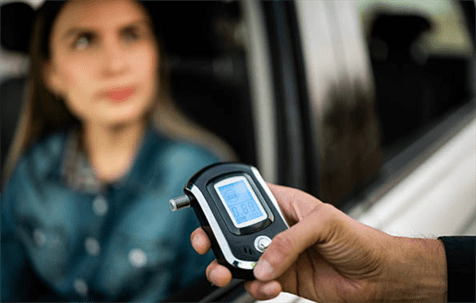
If you’ve been stopped by law enforcement in California and asked to perform a field sobriety test, you may feel anxious and uncertain about your rights. In high-pressure moments like these, understanding exactly what you can refuse, what the implications are, and how your choices might affect your case is essential. At The Maher Law Group, APC, we believe every person deserves access to clear, actionable information—especially when your future could be on the line due to DUI or drug-related charges in Solano, Contra Costa, Napa, or Yolo County.
What Are Field Sobriety Tests & How Are They Used During California Stops?
Field sobriety tests are a group of physical and cognitive assessments officers use at traffic stops to evaluate whether a driver may be impaired due to alcohol or drugs. In California, law enforcement commonly requests drivers to complete tests like the Horizontal Gaze Nystagmus (HGN), Walk-and-Turn, and One-Leg Stand. These tests, developed by the National Highway Traffic Safety Administration, are meant to provide officers with “objective” observations to support their suspicion of impairment. In practice, these exercises often occur on the roadside—where nerves, poor lighting, or uneven surfaces can affect your performance, whether or not you have consumed any substances.
Field sobriety tests are entirely separate from chemical tests, such as breath, blood, or urine analyses, which determine blood alcohol or drug concentration through scientific means. The results from field sobriety tests are subjective and depend heavily on an officer’s interpretation. Participation in these tests gives the officer substantial evidence that may be referenced in their report—and can later play a role in legal proceedings.
Knowing which tests fall under the “field sobriety” label can prepare you if you ever find yourself pulled over in California. The most common tests include:
- Horizontal Gaze Nystagmus (HGN)
- Walk-and-Turn
- One-Leg Stand
- Finger-to-Nose
- Modified Romberg Balance Test
Each of these is designed to gauge your coordination, balance, and cognitive function, but none are infallible—making it critical to understand your rights before complying.
Is It Legal to Refuse a Field Sobriety Test in California?
Drivers in California are not legally required to take field sobriety tests. You have the absolute right to refuse to participate in roadside exercises like balance or coordination tasks. California’s implied consent law pertains strictly to post-arrest chemical testing, not to field sobriety tests given during the initial stop. Officers may not clarify this crucial distinction, often creating an impression that these tests are mandatory—which is not the case.
When an officer requests a field sobriety test, you may decline. The law does not impose criminal or administrative penalties for declining these roadside assessments. However, officers will usually continue their investigation based on other observations, and might proceed with an arrest if they believe probable cause exists. While refusal can’t be punished directly, it can be introduced in court as one circumstance among many that law enforcement considered when deciding to make an arrest.
It’s important to differentiate between field sobriety tests and chemical tests, such as breathalyzers or blood draws, which become mandatory only after an arrest. If you’re not sure whether you are being asked to do a field test or a chemical test, you have the right to ask for clarification. Our team at The Maher Law Group, APC often encounters cases where clients were unsure of their rights at this critical stage—knowledge that can make a significant difference in building a strong defense.
What Happens If You Refuse a Field Sobriety Test During a DUI or Drug Stop?
Refusing a field sobriety test generally does not result in additional penalties separate from those associated with the DUI or drug investigation. Instead, the officer will rely on other factors to determine whether to proceed with arrest. These may include your driving pattern, physical appearance, behavior at the scene, slurred speech, or any odor of alcohol or drugs. Officers might document your refusal and report it as part of the investigative process. This refusal could be referenced in court, but under California law, it does not constitute an independent crime or infraction.
After refusal, officers may still proceed with a roadside preliminary alcohol screening (PAS), which is a breath test device used prior to arrest for DUI involving alcohol. If drug impairment is suspected, officers may call upon a Drug Recognition Expert (DRE) for a more thorough drug evaluation. You can still be arrested if the officer has developed probable cause based on the totality of their observations—even without field sobriety test results.
Once arrested, you become subject to California’s implied consent law, which obligates you to submit to a chemical test (usually breath or blood) at the police station or a medical facility. Refusing a chemical test after arrest carries severe consequences, including automatic driver’s license suspension and enhanced penalties. Understanding when refusal triggers legal consequences versus when it doesn’t is vital, and making informed choices at each stage of the stop can prevent unintentional complications.
Will Refusing a Field Sobriety Test Prevent DUI or Drug Charges?
Declining a field sobriety test in California may limit the evidence available to law enforcement and prosecutors, but it will not automatically prevent DUI or drug charges from being filed against you. Officers do not require field sobriety test results to establish probable cause if other indicators of impairment exist, such as erratic driving, odor of alcohol or drugs, or visible physical symptoms. Prosecutors can pursue charges based on these other sources of evidence and may argue that your refusal was itself suspicious, though this is rarely decisive on its own.
If the case proceeds to court, your refusal to participate in field sobriety tests may be introduced as part of the officer’s narrative. However, the lack of a field test record also means one less avenue for the prosecution to claim you “failed” a test based on subjective evaluation. Our legal team at The Maher Law Group, APC is experienced in challenging the strength of such cases, drawing attention to the lack of objective field test evidence and finding inconsistencies in the state’s account whenever appropriate.
Realistically, refusing the test helps avoid potentially misleading or unfair evidence but also increases reliance on other observations and chemical test results. For individuals with medical conditions, disabilities, or high anxiety, politely declining the test may actually protect them from wrongful interpretations based on poor performance unrelated to intoxication. As with every legal situation, the consequences depend on the specific facts of your case—and having professional legal representation to navigate those complexities can make all the difference.
How Does Refusing Differ for Alcohol vs. Drug DUI Stops in California?
The implications of refusing a field sobriety test can vary depending on whether the suspected impairment is from alcohol or drugs. When an officer believes alcohol impairment is the main issue, they may request roadside field tests and a preliminary alcohol screening (PAS) breath test. Refusing the field test makes the PAS and chemical tests even more critical for their evidence collection. For cases involving suspected drugs, field sobriety tests are often used in conjunction with observations of drug-specific signs—such as constricted pupils, extreme nervousness, or difficulty following instructions.
In drug stops, officers may call for a Drug Recognition Expert for further evaluation. These evaluations extend beyond standard field sobriety tests, involving a multi-step protocol including physiological measurements, pupil checks, and sometimes interviews. If you refuse these types of field assessments, the officer will largely depend on their observations and may proceed directly to arrest for a chemical blood or urine test to establish the presence of drugs in your system.
Regardless of whether your stop concerns alcohol or drugs, refusal of standard field sobriety tests limits the tools law enforcement can use in their report. However, officers are adept at adjusting their approach, and your refusal will be noted. No matter the substance involved, it is wise to consult with an experienced defense attorney from The Maher Law Group, APC promptly after the stop. Our familiarity with both alcohol- and drug-related DUI defense means we can provide clear, situation-specific advice for every scenario.
What Are the Legal Consequences of Refusing a Field Sobriety Test in California?
Refusing a field sobriety test in California does not result in direct criminal or administrative penalties. The law allows you to decline, and your driver’s license will not be suspended for this kind of refusal alone. However, this refusal can appear in the arrest report and may be presented to a jury as a contributing factor to the officer’s probable cause for an arrest. Prosecutors might argue that declining was an attempt to avoid incriminating evidence, but a strong defense can counter that argument with valid alternative explanations.
It’s critical to recognize that while the law protects your right to refuse, your choice may still influence the outcome of your criminal case. For example, if a case goes to trial, the prosecutor could reference your refusal when describing your behavior. At The Maher Law Group, APC, our defense strategies are tailored to address these arguments, explaining possible medical, psychological, or practical reasons for the decision and exposing the weaknesses in relying on subjective officer perceptions.
Direct penalties only occur when you refuse a legally mandated post-arrest chemical test, which holds completely different consequences—such as license suspension and enhanced punishment for conviction. For this reason, knowing which test is being requested and the stage of your interaction with police is vital. Our attorneys help clarify these situations for clients every day, minimizing risk and strengthening your defense from the outset.
How Reliable Are Field Sobriety Tests & Can They Be Challenged in Court?
Field sobriety tests present significant reliability concerns in California DUI & drug cases. Developed as standardized assessments, these tests are not always administered uniformly and are subject to officer interpretation. Environmental conditions, pre-existing injuries, or anxiety can all lead to test “failures” for completely sober drivers. The National Highway Traffic Safety Administration itself acknowledges that the accuracy of even the most validated field tests—like the HGN, Walk-and-Turn, and One-Leg Stand—is far from absolute.
Challenging the scientific validity & procedures of field sobriety tests is a critical defense strategy. At The Maher Law Group, APC, we review every step of your traffic stop: Was the test performed correctly? Was the roadside environment appropriate? Did you have any medical conditions impacting balance, vision, or movement? Our attorneys request video evidence when possible and consult medical professionals who can substantiate alternative explanations for your performance—or refusal—on the field tests.
By thoroughly questioning the officer’s training, documentation, and the circumstances of the stop, we can often cast reasonable doubt on the validity of their conclusions. Successful challenges in court may lead to reduced charges, evidentiary exclusions, or even dismissal when field sobriety testing is the primary basis for a DUI or drug prosecution. A vigorous, informed defense not only protects your rights but leverages all available factors in your favor.
What Rights Do You Have During a California DUI & Drug Stop?
During any DUI or drug stop in California, you retain constitutionally protected rights designed to prevent self-incrimination and ensure fair treatment. You have the right to remain silent and decline to answer questions beyond basic identification. You also have the right to refuse field sobriety tests without fear of direct administrative or criminal penalty. These rights extend to declining physical coordination tests, so long as you comply with lawful instructions to exit your vehicle or present documents like your driver’s license and insurance.
The right to an attorney is another crucial safeguard once an arrest has been made. You are not legally obligated to answer questions about your activities, drinking or drug use, or travel history until you have consulted legal counsel. If you are unsure whether you are free to leave, you can directly ask the officer and should do so in a respectful tone. Should the officer proceed with an arrest, you are mandated to comply with post-arrest chemical testing; refusal at that point does have serious repercussions.
Asserting your rights calmly and politely prevents escalation and sets the tone for subsequent legal proceedings. At The Maher Law Group, APC, we advise clients on the safest, most effective ways to assert their rights during roadside encounters, whether you are dealing with a routine stop or a more complicated DUI or drug charge. Simple but informed decisions at this stage can have a significant impact on future proceedings—and your overall defense strategy.
Should You Refuse a Field Sobriety Test? Factors to Consider During a California Stop
Choosing whether to refuse a field sobriety test is a personal decision shaped by your health, confidence in roadside conditions, and understanding of your rights. Some individuals know they have physical conditions—such as injuries, balance issues, or neurological disorders—that might affect test results, and for them, refusal is often prudent. Others may be nervous or distrustful of subjective evaluation, especially when the environment or instructions are unclear. Overall, knowing the difference between voluntary field tests and mandatory post-arrest chemical tests is key for making the right decision in real time.
Should you decline a field sobriety test, always do so calmly and courteously. Let the officer know, without argument, that you do not wish to participate. If you have a legitimate medical reason, it is wise to mention it succinctly; otherwise, simply decline and avoid providing further explanation at the scene. While refusal may increase an officer’s suspicion, it also limits the types of evidence prosecutors can attempt to use against you in court.
Proactive education about your rights and the investigative process prepares you for these high-stress situations. The Maher Law Group, APC encourages clients to discuss their concerns about stops in advance, so they’re equipped to make confident, informed choices if the need arises. Our legal team stands ready to provide straightforward, confidential advice based on your unique circumstances—both before and after any traffic stop or arrest.
How Can a Criminal Defense Attorney Help After Refusing a Field Sobriety Test?
Contacting a criminal defense attorney immediately after refusing a field sobriety test can greatly influence your legal options. At The Maher Law Group, APC, we take swift action to analyze the entire stop, review police records and body camera footage, and identify gaps or mistakes in the officer’s approach. Our practice in the courts of Solano, Contra Costa, Napa, & Yolo counties enables us to tailor defense tactics based on local protocols and prosecutorial trends—knowledge that generic DUI defense strategies often lack.
Our attorneys do more than simply review the evidence. We conduct in-depth interviews, recruit relevant professionals for medical or scientific testimony, and present your case personally at DMV hearings and in court. We carefully scrutinize every aspect of the state’s account—from the legality of the initial stop to the accuracy of the field and chemical tests—to create reasonable doubt where it truly exists. We understand the far-reaching effects that DUI or drug allegations can have, and our priority is always to protect your rights, your record, and your peace of mind.
At your confidential case evaluation, we will walk you through every possible defense, clarify your obligations regarding chemical testing, and assess ways to improve your position before trial. Early legal intervention often leads to favorable negotiation outcomes, reduced penalties, and opportunities for creative solutions—even when the evidence seems overwhelming at first.
Where Can You Find Information & Support After a DUI or Drug Arrest in California?
After a DUI or drug-related arrest in California, you should seek both trustworthy legal counsel and practical information to guide your next steps. Begin by reaching out to a defense firm with broad experience in DUI, drug, and criminal defense within your county. The Maher Law Group, APC provides free, confidential case evaluations for individuals across Solano, Contra Costa, Napa, & Yolo counties. This initial consultation gives you the chance to ask questions, outline concerns, and receive actionable guidance before making decisions that could affect your future.
Additional resources are available through the California Department of Motor Vehicles, which outlines the administrative hearing process, license suspension rules, and reinstatement steps. Organizations like the California Highway Patrol and the Office of Traffic Safety offer updated information about DUI laws, drivers’ rights, and roadside procedures. For added support, local community groups provide both emotional help and firsthand perspectives on navigating the criminal justice system.
You do not have to manage this challenging time alone. When you reach out to The Maher Law Group, APC, our commitment to communication and aggressive legal defense means you have a dedicated team ready to stand with you throughout the process. For prompt, confidential support and honest answers, call (888) 744-3057 or contact us online to schedule your free consultation today.